Joshua Frank with Scott Parkin - Bad Energy
Culture & Humanities Book TalkBookshop Free
Joshua Frank reads from and discusses his book *Bad Energy* in conversation with Scott Parkin at Nomadic Bookshop.
Sourcing clarity in the fog of ideas. Lighting your way to ideas.
In-person and across the Bay.
The Bay's intellectual scene is rich, varied, and hard to find.
Burnoff brings it into view. Expand your horizon.
30 upcoming book talks and author readings in Oakland. 7 are in the next seven days; the list is updated daily.
Everything in Oakland →Book talks across the Bay →The full calendar →Burnoff for iPhone →
More in Oakland Lectures 56Workshops 11
Book talks elsewhere San Francisco 130Berkeley 42Santa Cruz 12East Bay 86North Bay 72Peninsula 12South Bay 19
Joshua Frank reads from and discusses his book *Bad Energy* in conversation with Scott Parkin at Nomadic Bookshop.
A book discussion for adult children of immigrants exploring mixed cultural identity and belonging. Participants will gather in a small-group salon format to discuss Sahaj Kaur Kohli's memoir and reflect on how bicultural experiences shaped their upbringings and sense of self. The event centers on shared questions about navigating multiple cultural worlds.
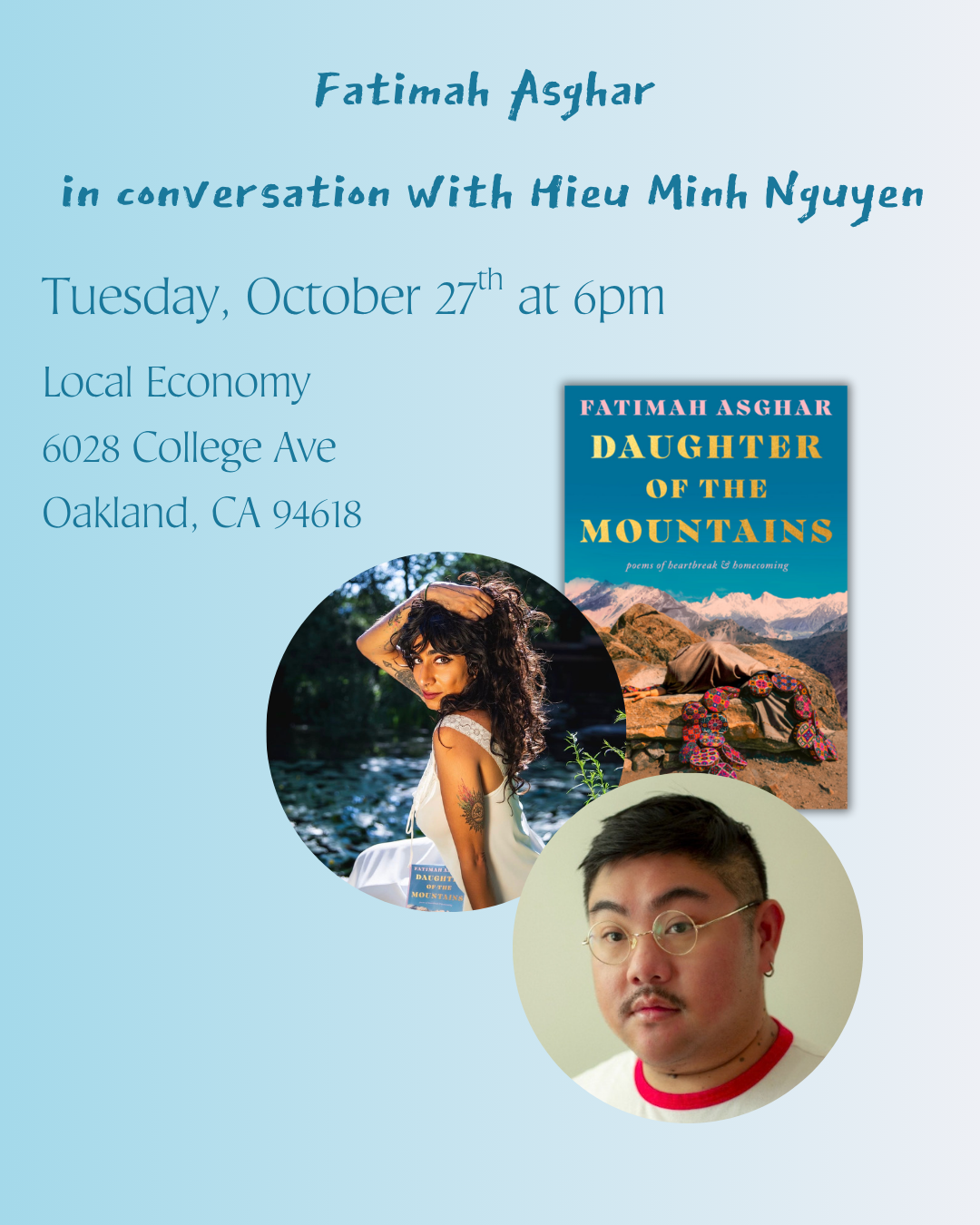
Fatimah Asghar discusses her debut poetry collection *Daughter of the Mountains*, which explores exile, displacement, belonging, spirituality, and lineage through meditative, formally inventive verse. The collection grapples with fulfillment, betrayal, love, loss, and longing, using vivid imagery and disruptive form to examine how place and environment inform spiritual practice. Asghar appears in conversation with poet Hieu Minh Nguyen.
A discussion of Jenn Scott's debut novel *All the Tiny Beauties*, which spans 90 years in Oakland and explores shifting notions of self across generations through interconnected stories: a reclusive man, his estranged daughter, and a young housemate who form an unlikely friendship that defies age and expectation. Scott and facilitator Andrea Gough examine how the novel grapples with the fragility of identity, societal constraints on authentic selfhood, and the question of who we might become under different circumstances. Scott's work has appeared in *Fiction*, *Gettysburg Review*, and *Alaska Quarterly Review*; her debut collection *Her Adult Life* was longlisted for the PEN America/Bingham Award. Gough is an educator specializing in discussion-based curricula and the transformative power of literature to unsettle and expand thinking.
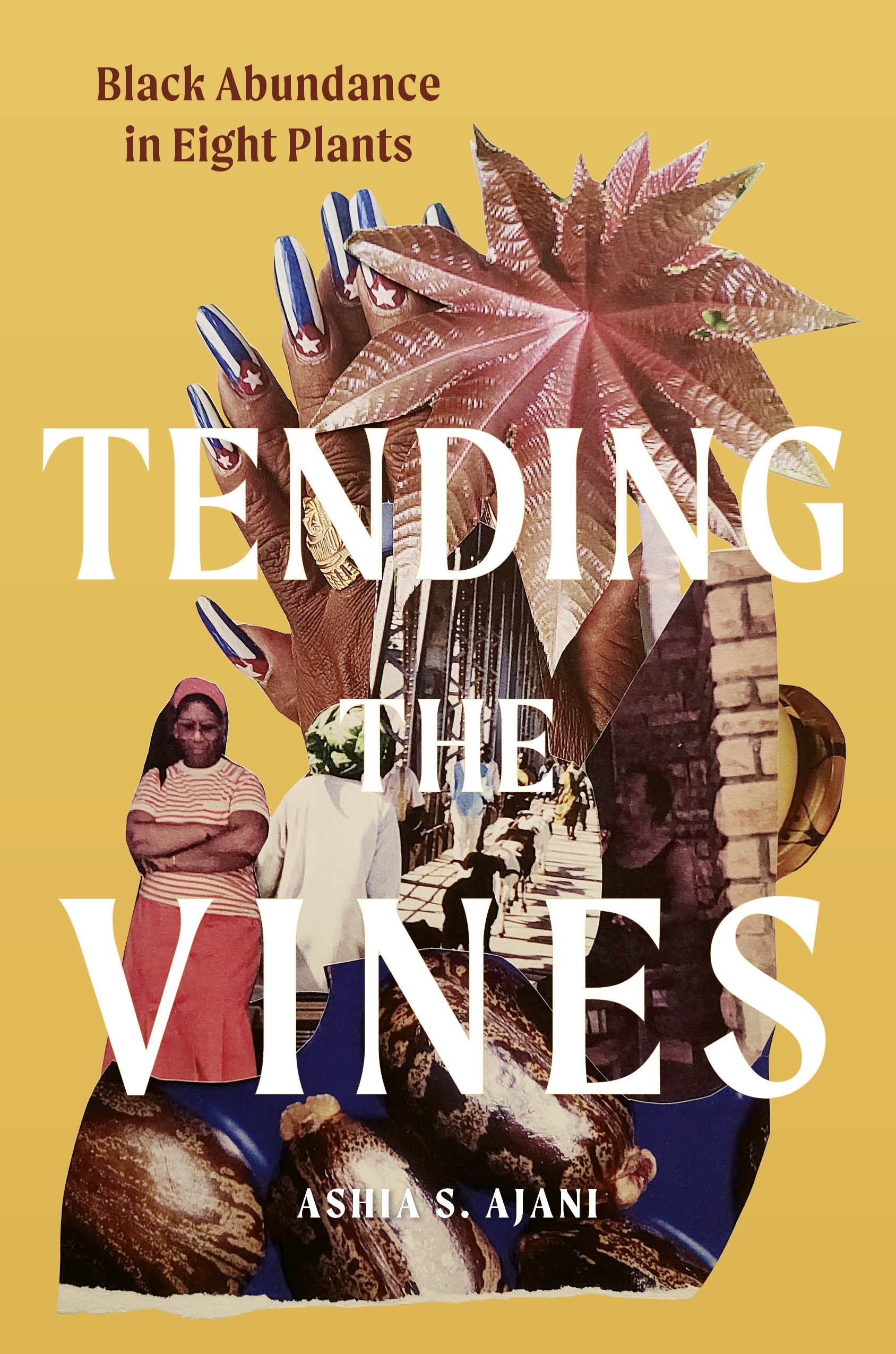
Author-researcher Ashia S. Ajani and community organizer Keala Uchôa discuss *Tending the Vines*, which unpacks the rhetorical and ethnobotanical lives of plants moved across the Western Hemisphere. The book examines how plants have served as metaphors for Black incursion and symbols for Black liberation, while complicating notions of "invasive" species and belonging. Ajani contextualizes plant migration through an eco-griot and abolitionist lens, while Uchôa brings her work at the intersection of abolition and environmental justice. A conversation on diasporic plant relatives and tender living amid the decline of empire.
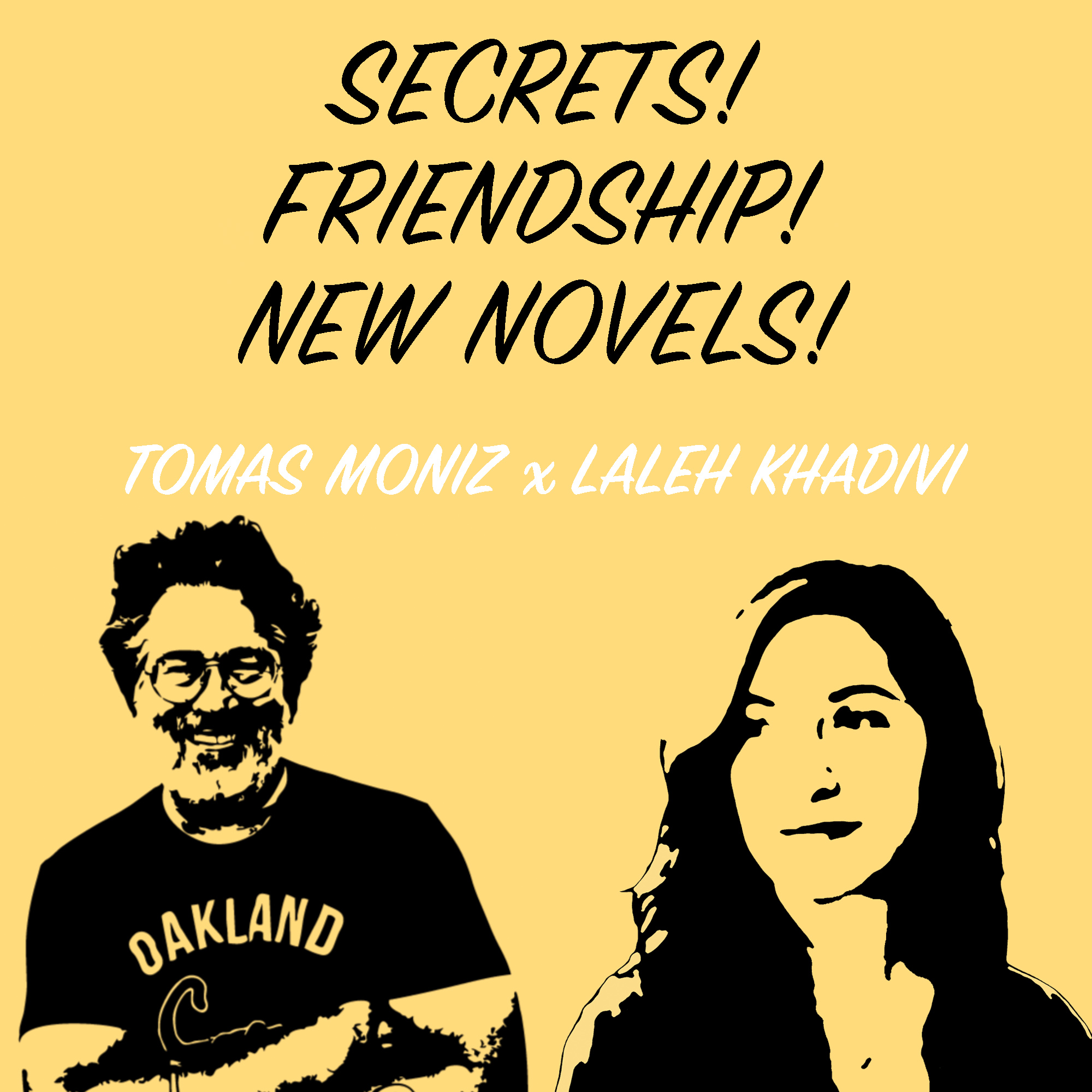
Two Bay Area novelists discuss their new works. Tomas Moniz presents *The King of Aloe Vera*, a novel about the Mission, intergenerational friendship, and aging. Laleh Khadivi discusses *Female Life on Planet Earth*, exploring mothers, daughters, and family secrets. Khadivi chairs the creative writing MFA at USF and is author of *The Age of Orphans* and *A Good Country* (New York Times Editors' Choice); Moniz teaches at Berkeley City College, Antioch MFA, and USF, and his novel *All Friends Are Necessary* won the 2024 California Golden Poppy Award.
An evening celebrating David Maisel's career survey *View from the Precipice*, a comprehensive monograph spanning forty years of photography, painting, and video. Maisel's aerial works address landscapes transformed by mineral extraction, resource reclamation, and military testing—sites rendered as destabilizing abstractions that use beauty to force attention on environmental catastrophe. His large-scale paintings respond to wildfire and flood; his immersive installations layer spatial ambiguity with human-altered geographies. Maisel will appear in conversation with art historian Alexander Nemerov (Carl and Marilynn Thoma Provostial Professor at Stanford, author of *Fierce Poise*) and Clio's founder Timothy Don to discuss the artist's practice and the monograph's development.
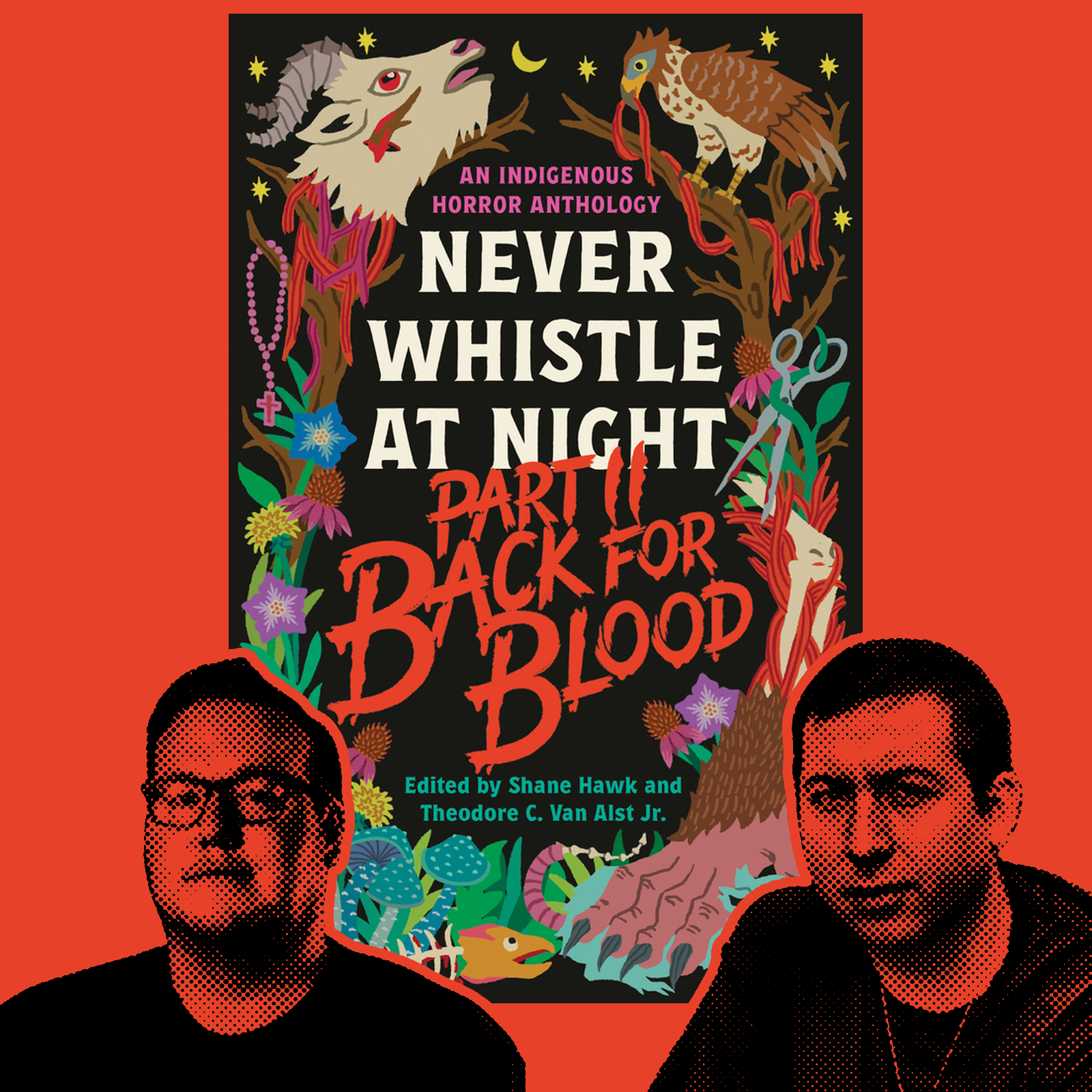
Tommy Orange, author of *There There*, discusses the new Indigenous horror anthology *Back for Blood: Never Whistle at Night Part II* with co-editor Shane Hawk. This collection features 21 stories by established and emerging Native and First Nations writers—including Stephen Graham Jones—drawing on Indigenous experiences, histories, and traditions to showcase horror as a vehicle for survival and transformation. The editors describe the work as 'sustained dread, sustained appetite, sustained consequence.'
An evening discussion on *The Havana Syndrome*, the investigative book by Emmy-award-winning 60 Minutes producers Michael Rey and Oriana Zill de Granados, in conversation with Pulitzer Prize–winning journalist Lowell Bergman. Rey and Zill de Granados recount their decade-long investigation into a mysterious weapon that has targeted U.S. diplomats, intelligence officials, and military personnel from Havana to Vienna. They discuss how they interviewed victims, uncovered suppressed government documents, and identified evidence of a highly specialized technology—all while the U.S. government denied the attacks. Bergman, a legendary investigative journalist and professor of journalism at UC Berkeley, will explore their groundbreaking reporting and the obstacles they faced breaking through classified material and institutional resistance.
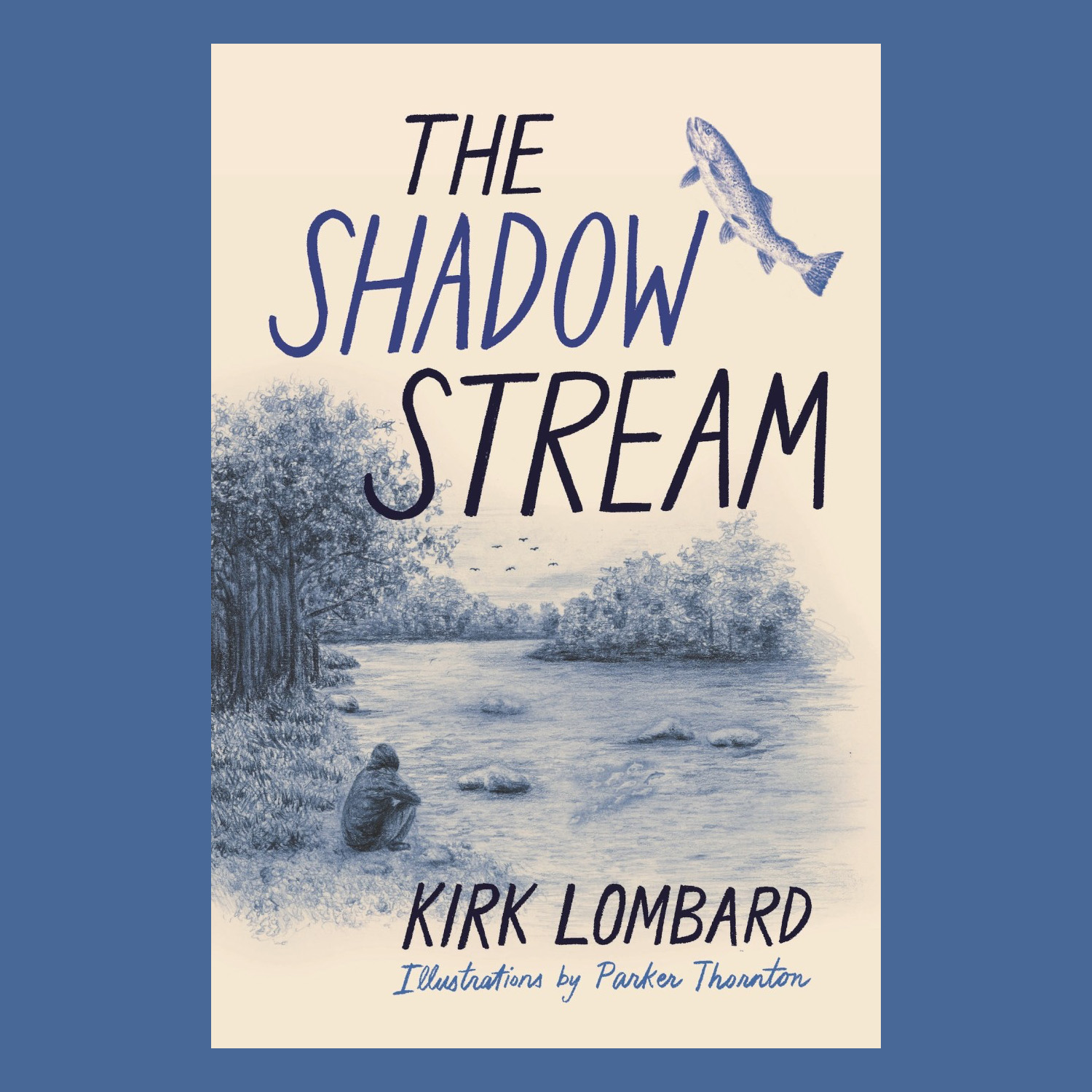
Kirk Lombard, author of the award-winning *Sea Forager's Guide to the Northern California Coast*, reads from his new children's novel *The Shadow Stream*, an epic family adventure following Gabriel, a boy in juvenile detention, and a cast of talking animals who must save their river from being dammed. Lombard is an angler, sustainable fishmonger, tuba player, and former juvenile rehabilitation counselor whose work has been praised by NPR for its poetic approach to nature.
Tech critic Paris Marx discusses his book *Hyperscale*, which exposes how tech companies exploit vulnerable communities to power their data infrastructure while pursuing digital dominance. The conversation explores the industry's deceptive practices around energy and water resources, the growing public backlash—including Oakland's recent moratorium on new data centers—and pathways toward technology that serves the social good rather than billionaire profits. Marx, host of the podcast *Tech Won't Save Us*, is joined by Dr. Alex Hanna, a sociologist of technology and labor at the Distributed AI Research Institute and co-author of *The AI Con*.
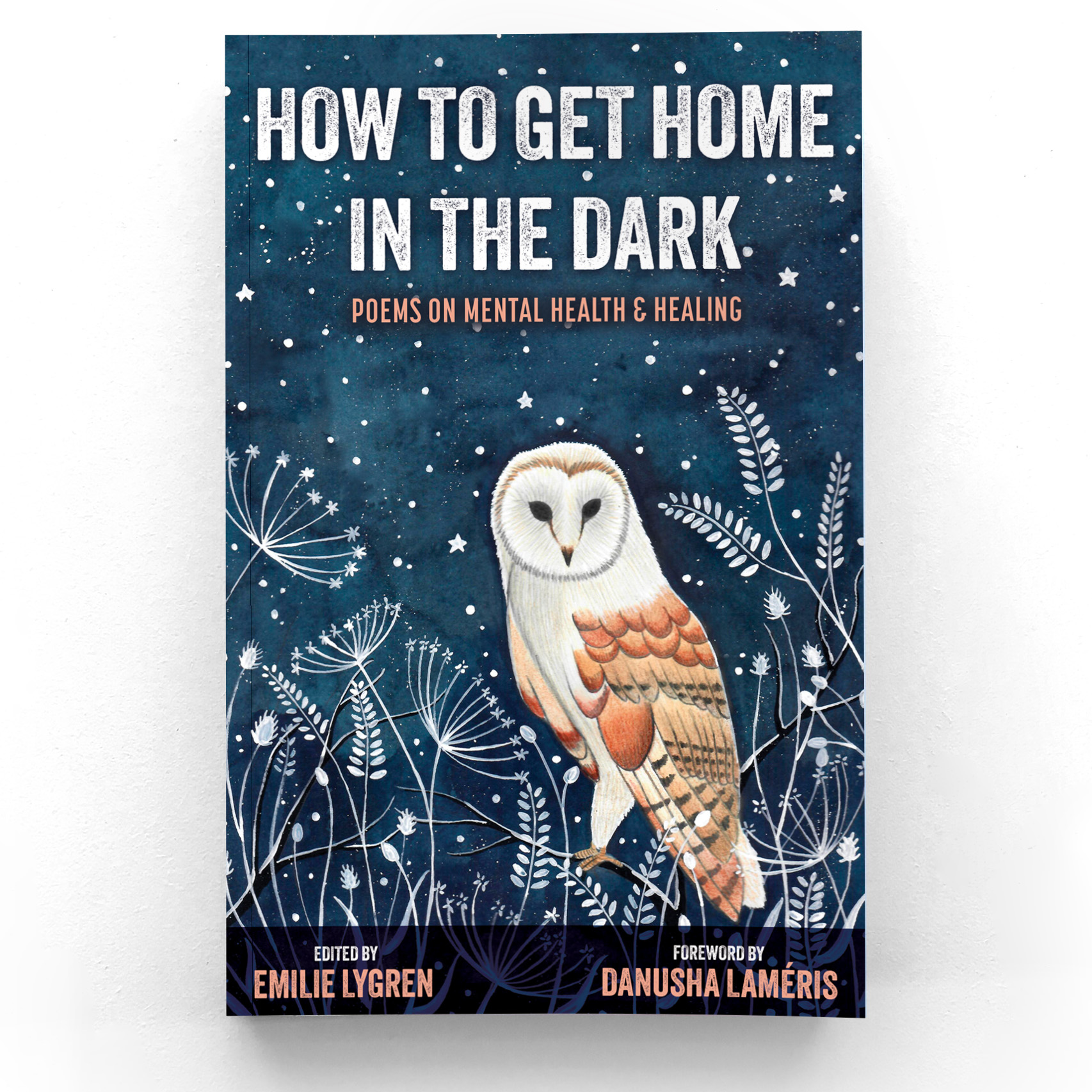
A reading and generative workshop celebrating Emilie Lygren's anthology *How to Get Home in the Dark: Poems on Mental Health and Healing*. Lygren reads alongside poets Alegria Barclay, Zeina Hashem Beck, Melissa Fowlks, and Antwan Linton Penn, followed by a brief panel discussion. Attendees then write their own pieces in conversation with the anthology—paper, pens, and journal space provided. A space for poetry, reflection, and shared creative practice around healing and mental health.
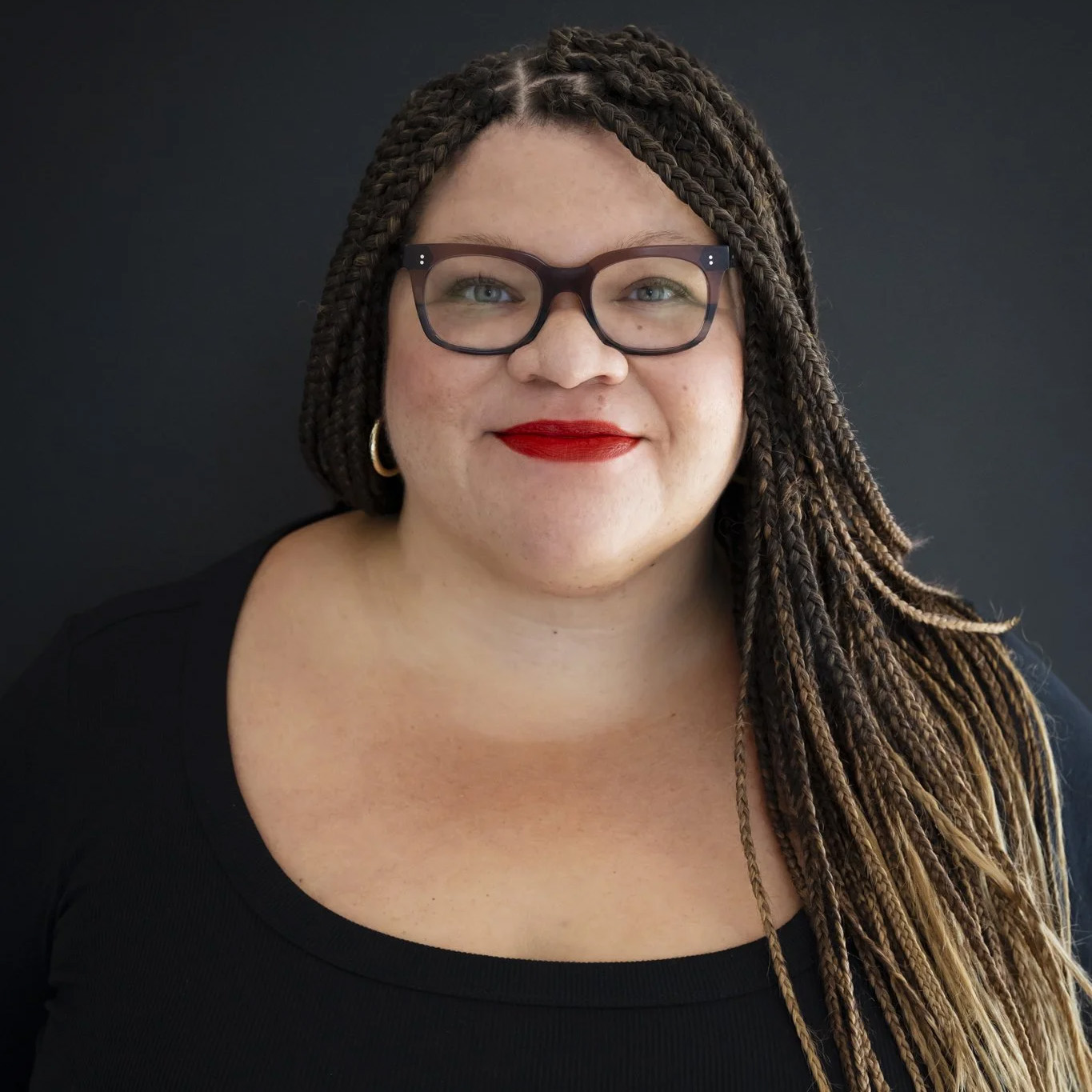
An evening exploring how artist and activist Harry Belafonte used fame as a force for political change. Geographer and writer Joshua Jelly-Schapiro discusses his book *Daylight Come: Harry Belafonte and the World He Made*, tracing Belafonte's pivotal role in the civil rights movement, his friendship with Sidney Poitier and Martin Luther King Jr., and how he brought Caribbean music into American consciousness. UC Berkeley English professor Nadia Ellis, author of *Territories of the Soul: Queered Belonging in the Black Diaspora*, joins the conversation alongside cultural anthropologist and Clio's founding member Cari Borja, who brings her own fieldwork from Jamaica. Together they explore the intersections of music, migration, race, and activism, asking what it means when an artist becomes a force capable of changing the world.
What happens when the desire to know becomes inseparable from the desire for something to be true? Scott Lambridis and Yance Wyatt, authors of the debut novels *St. Ulphia's Dead* and *The Watersmith*, explore how grief, love, memory, and loss complicate the boundaries between evidence, belief, obsession, and hope. Their conversation moves between psychology, science, faith, and mythology to ask what makes a belief reasonable, where skepticism becomes its own certainty, and whether emotion distorts inquiry or gives it urgency. At stake: when ordinary explanations fail us, what are we willing to believe in order to keep making sense of the world?
David D. Schmidt discusses his California Book Award–winning environmental history of the San Francisco Bay Area, tracing how natural forces and human choices have shaped the region's landscape over thousands of years. Schmidt will present his research with particular focus on Oakland and the East Bay, followed by audience Q&A and book signing.
A writing workshop on embodying memoir, led by Savala Nolan, author of *Good Woman: A Reckoning* and *Don't Let It Get You Down: Essays on Race, Gender, and the Body*. Nolan explores how writers draw from and contend with the body to craft honest, fresh memoir — what our bodies can tell us that minds cannot, how to work with embodiment when we live in a society hostile to our bodies, and concrete approaches to honest representation. The session includes examples of embodied writing from celebrated authors and a skills-building exercise. Bring pen, notebook, or laptop.
Journalist and activist George M. Johnson discusses their adult memoir *And If I Die Before I Wake*, which recounts 15 transformative years navigating an HIV diagnosis, alcoholism, grief, and the fight against book banning. Johnson's previous work, *All Boys Aren't Blue*, remains a frequent target of censorship despite critical acclaim. In conversation with Maggie Tokuda-Hall, children's and YA author and co-founder of Authors Against Book Bans. Doors at 6 p.m.
A conversation celebrating Jae Nichelle's poetic musical collection *Grownfolk Blues: A Musical in Poems*, a cross-genre work blending narrative verse with musical theater. Nichelle discusses this dynamic experiment in form and the queer Southern blues influences that inspired it, in conversation with local literary icon KB Brookins.
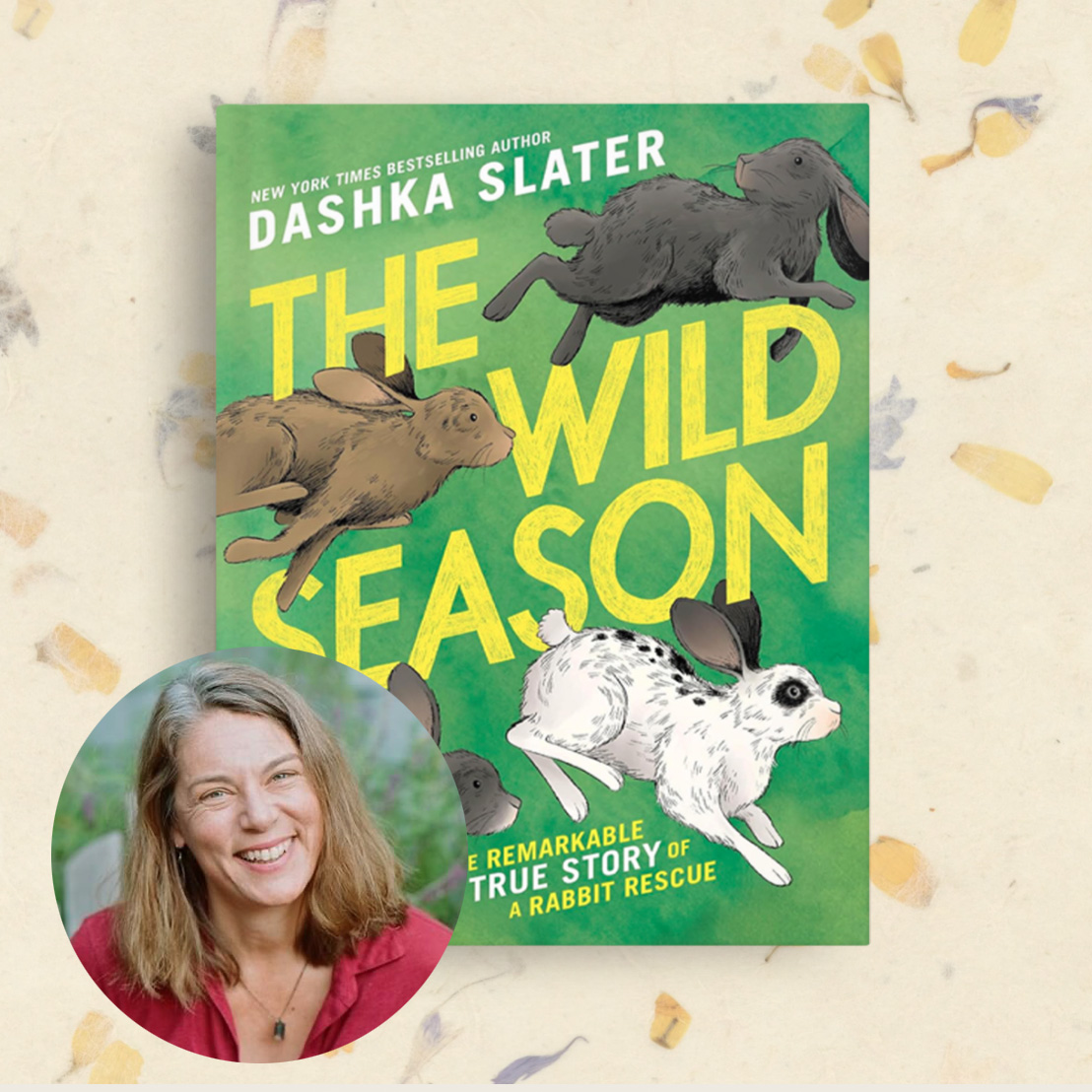
A book talk featuring Dashka Slater, bestselling author of *The 57 Bus* and *Accountable*, discussing her latest children's adventure *The Wild Season: The Remarkable True Story of A Rabbit Rescue*. Set in a San Francisco park, the book explores nature, community, and neighbors working together to solve a problem—inspired by a real rabbit rescue. Slater will be interviewed by 10-year-old Flora Madrigal, a fan of her work. Designed for ages 8–12 and adults alike.
A conversation between award-winning authors Tanaïs and Carvell Wallace exploring what it means to write an archive of the past to imagine a more loving, liberated future. Tanaïs launches *Stellar Smoke*, a novel about Qamar, a musician who returns to her birth island after losing her apartment in a fire, only to discover VEDA—an artificial intelligence created by her late mother to hold their family's archive. The novel weaves climate change, refugee crises, fascism, and technological upheaval through intimate human experiences of family secrets, spirituality, and the mother-daughter bond. Wallace is author of the Kirkus-finalist memoir *Another Word for Love*. Tanaïs's *In Sensorium* won the Kirkus Prize and their novel *Bright Lines* was a finalist for the Center for Fiction First Novel Prize.
Journalist and author Jori Lewis explores how the living world carries traces of human history—migration, colonialism, memory, and belonging—through objects like seashells, plants, and places. Moving between scientific discovery, myth, and folklore, Lewis examines how nature holds spiritual and cultural meaning. In conversation with Idrissa Simmonds-Nastili, Oakland-based writer and curator of the literary salon Brunch & Word. Cultural anthropologist Cari Borja, Clio's founding member, opens with reflections on how cultures read meaning into the natural world. Lewis is author of Slaves for Peanuts (Whiting Award, Harriet Tubman Prize) and A Natural History of the Spirits.
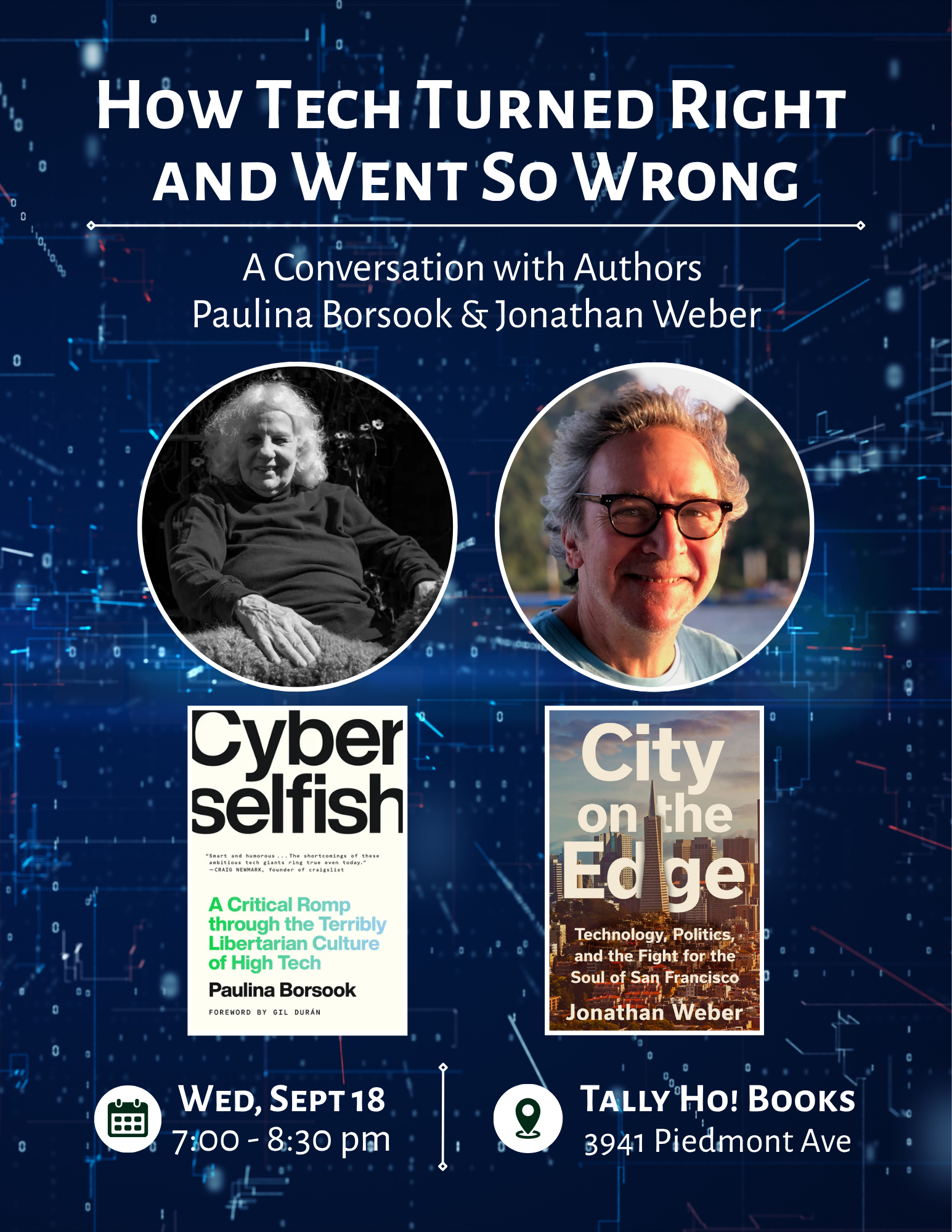
A conversation on how Bay Area tech culture has shaped global politics, featuring two definitive books on the subject. Paulina Borsook, former Wired editor, discusses *Cyberselfish: A Critical Romp Through the Terribly Libertarian Culture of High Tech* (reissued 26 years after its original publication), a prescient critique of tech's toxic ethos and lack of compassion. Jonathan Weber, founding editor in chief of The San Francisco Standard and former editor of The Industry Standard, explores *City on the Edge: Technology, Politics, and the Fight for the Soul of San Francisco*, a sweeping history drawn from 200 interviews examining how the city's transformation into the global tech capital sparked the culture wars now playing out worldwide.
A conversation on how farmers and ranchers adapt to climate change beyond the politics of belief. Margiana Petersen-Rockney, environmental studies professor at University of Montana and political ecologist, draws on seven years of research in Northern California to explore the social, economic, and personal forces shaping agricultural adaptation—what it means to change how we farm when it touches land, family, identity, and generations of knowledge. She joins award-winning journalist Anna Sale, host of Slate's Death, Sex & Money and People Trying, for a dialogue on where climate science meets lived experience. Anthropologist Cari Borja, who works at the intersection of food, agriculture, and education, will introduce the conversation: How do we ask people to change without first understanding what we are asking them to risk?
A celebration of Bex Frankeberger's debut novel *Antigone at the Rot Party*, a queer-theory-inflected reimagining of Sophocles's *Antigone* that asks what we owe the dead and what courage demands of us. Frankeberger, a writer and horticulturist, will discuss the work with Lizzie Davis, executive editor of Transit Books, exploring translation, modern myth-making, and the philosophy underlying this playful, intimate adaptation. Published by Oakland's Cantine Press.
Anthropologist Harjant Gill discusses his book *Coming of Age in Macholand*, an ethnographic and memoir-based exploration of how young Punjabi men navigate rigid patriarchal systems—submitting, rebelling, trying to escape, or breaking under its constraints. Drawing on a decade of research, Gill examines how patriarchy claims to empower men while stripping them of emotional, sexual, and intimate freedom, while brutalizing women and queer people. He argues for what men must relinquish to become truly free. In conversation with David Vine, political anthropologist and author of *The United States of War* and *Base Nation*.
A conversation about Marie Harrison, an environmental activist who fought for housing, energy, and employment justice in San Francisco's Bayview Hunters Point, and the environmental injustices her community endured—from contaminated water at Geneva Towers to radiation exposure near a major Superfund site. Freelance journalist Tom Molanphy, whose environmental reporting won a 2023 California News Publishers Association award, speaks with Arieann Harrison, Marie's daughter and Founder of the Marie Harrison Community Foundation. Half of book proceeds support the Foundation's continued work for environmental and economic justice in District 10.
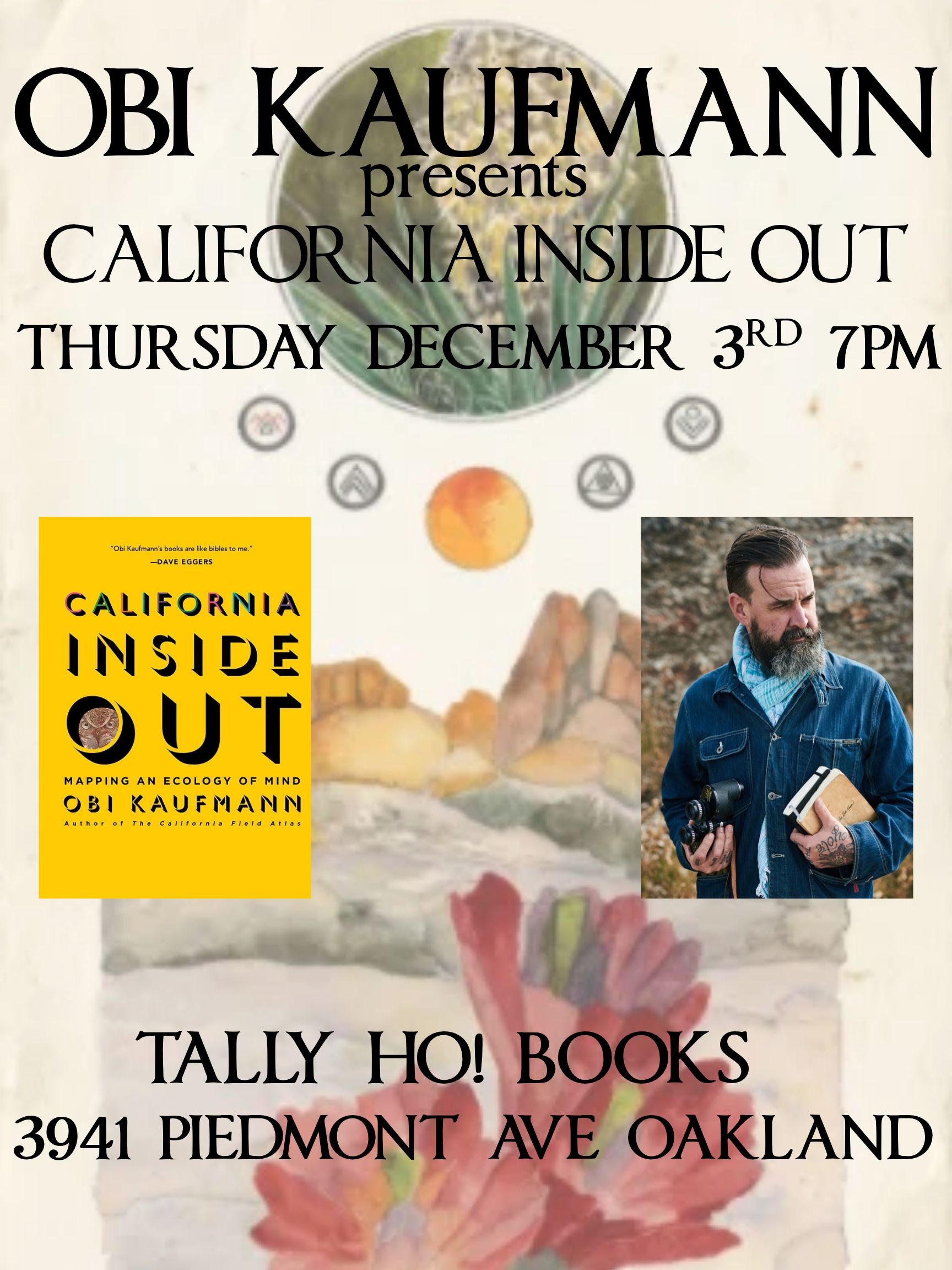
Local cartographer and nature writer Obi Kaufmann celebrates the release of his book *California Inside Out: Mapping an Ecology of the Mind*, a manifesto on deepening connection with California's landscapes and ecosystems. Kaufmann's distinctive illustrated maps and lyrical approach to bioregional narrative have made him a Bay Area fixture; this event offers an opportunity to hear directly from him about the book's themes and creative process.
Investigative journalist Julia Harte discusses her book *Americans Without Borders: The Radical Activists Who Fought for US Ideals Abroad While Facing Political Persecution at Home*, which traces two centuries of Americans who joined revolutionary liberation movements abroad—from Black veterans of the Spanish Civil War to participants in Nicaragua's Sandinista conflict and the Algerian National Liberation Front—and examines how the U.S. security state branded them as threats. Harte will be joined by Sonia Paul, an award-winning independent journalist and producer who investigates power hierarchies and transnational issues for outlets including WIRED, Mother Jones, Harper's, and NPR.
A book release event for 'We Live in Public' at Tamarack, a café and community event space in Oakland housing a free lending library focused on critical theory, social movements, and local history.
How did a colossal 1892 ballet flop become an unshakeable holiday tradition? Janine Kovac, former professional ballet dancer and author of The Nutcracker Chronicles: A Fairytale Memoir, explores the ballet's unlikely journey from artistic debacle to pop culture phenomenon in conversation with novelist Shanthi Sekaran (Lucky Boy, Boomi's Boombox). They discuss how The Nutcracker—first performed in the United States by San Francisco Ballet in 1944—evolved into a rite of passage for dancers and audiences alike, examining power dynamics, women's bodies in dance, and the cultural forces that transformed vague narratives and culturally insensitive motifs into an enduring American tradition.
No events match your filters.